
Why UK Infrastructure Is Near Breaking Point: and What That Means For Commercial Buildings
The UK's infrastructure crisis isn't just making headlines: it's fundamentally reshaping how commercial buildings operate, develop, and survive in an increasingly challenging environment. After decades of underinvestment, our nation's critical systems are showing dangerous signs of strain that directly impact your business operations.
🚨 The Scale of the Crisis
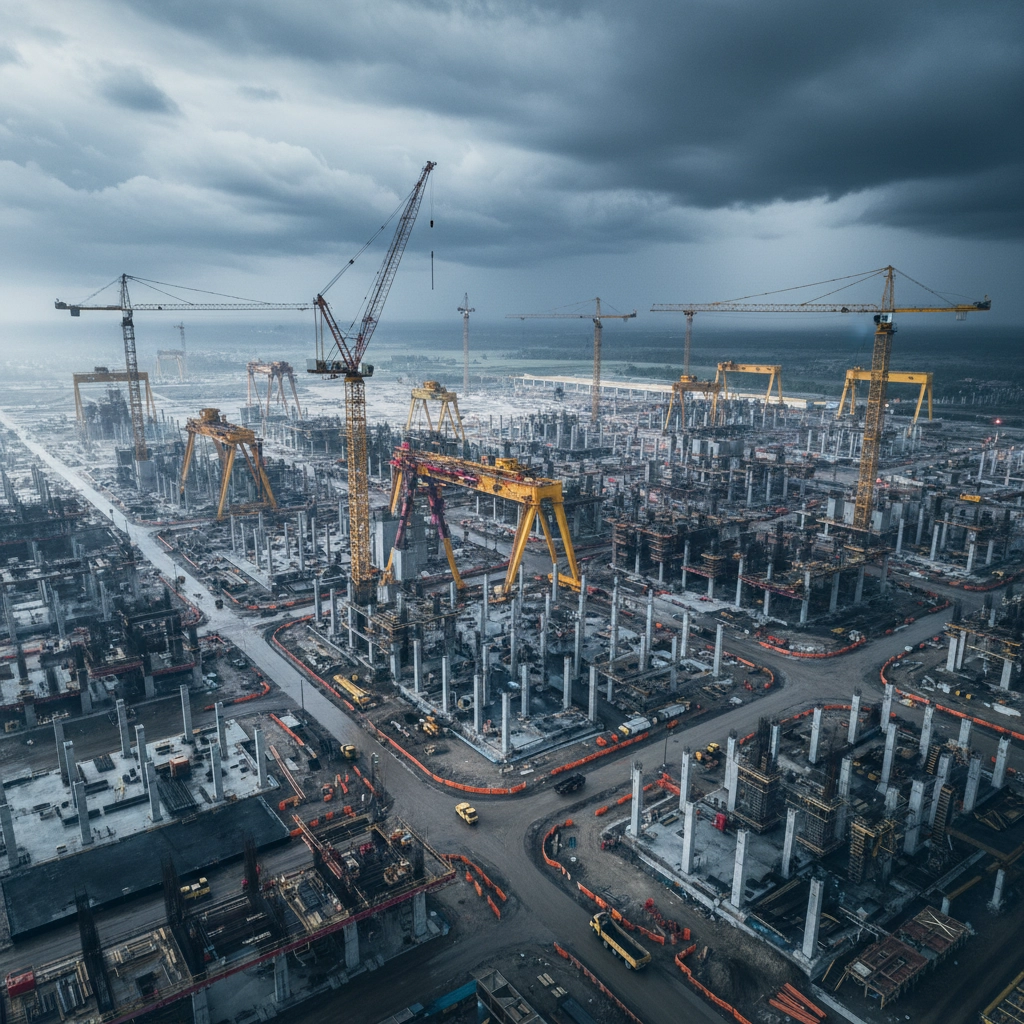
The numbers tell a stark story. The government's own admission reveals a soaring maintenance backlog that has left schools, colleges, hospitals, and courts in disrepair. This isn't just about public buildings: it's a canary in the coal mine for the entire built environment.
With at least £725 billion allocated over the next decade and £9 billion per year initially earmarked just for health, education, and justice estates, we're looking at the largest infrastructure investment in generations. But here's the problem: this funding must simultaneously address years of neglect while building resilience against future climate threats.
The Maintenance Debt Reality ✔️
Your commercial building doesn't exist in isolation. It depends on:
- Transport networks that are 30+ years behind on upgrades
- Energy grids lacking redundancy capabilities
- Water systems with Victorian-era components
- Digital infrastructure vulnerable to disruption
When these foundational systems fail, your business continuity hangs in the balance.
🌡️ Climate Change: The Accelerating Threat
The Climate Change Committee's latest research reveals alarming vulnerabilities that commercial property owners can no longer ignore:
Over one-third of railway and road kilometres currently face flood risk: a figure predicted to climb to around 50% by 2050. For your commercial operations, this means:
- Supply chain disruptions from transport network failures
- Employee accessibility issues during extreme weather events
- Utility service interruptions from infrastructure damage
- Insurance premium increases as risk assessments worsen
Heat vs. Infrastructure: A Losing Battle 🔥
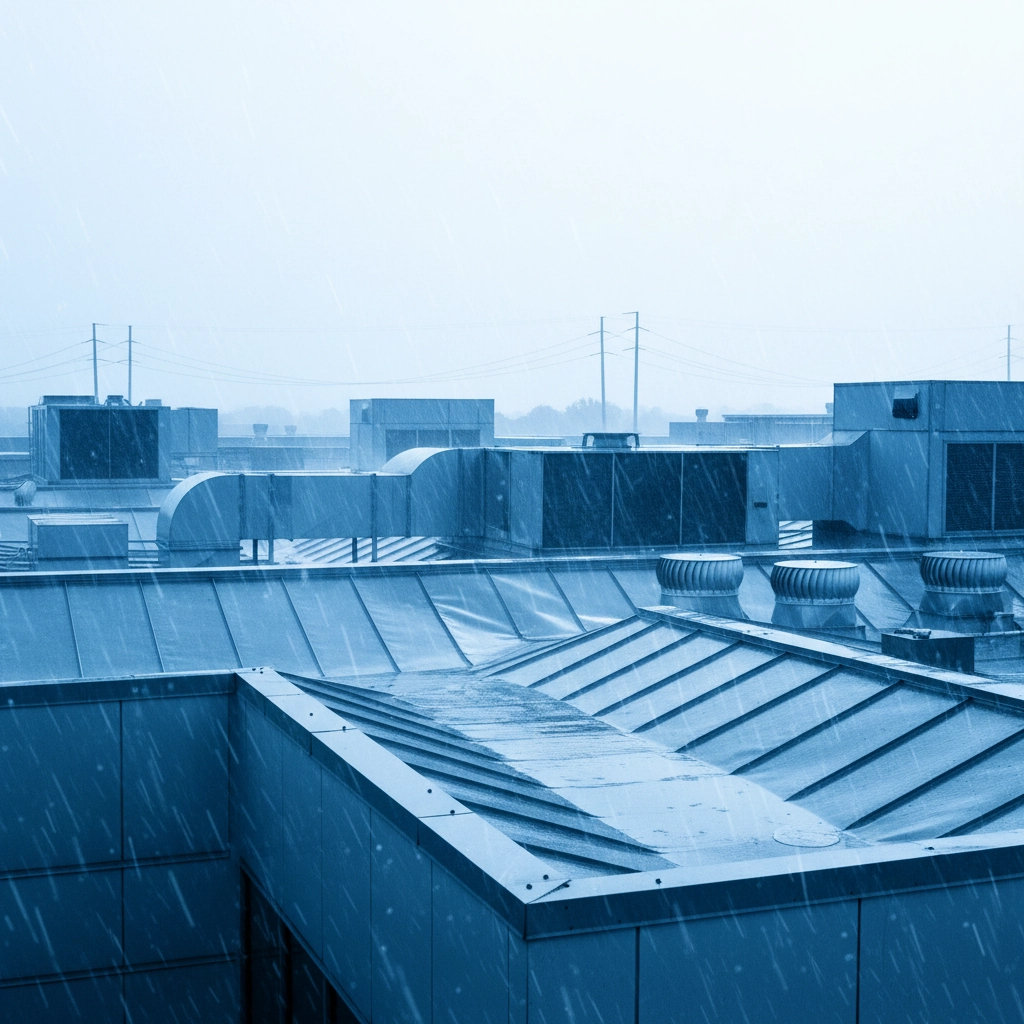
Extreme heat doesn't just make your building uncomfortable: it systematically degrades the infrastructure your business depends on:
- Rail buckling disrupts freight and employee transport
- Power line sagging creates electrical grid instabilities
- Road surface deterioration affects logistics operations
- Cooling system overload strains already fragile energy networks
🏗️ Planning System: The Innovation Bottleneck
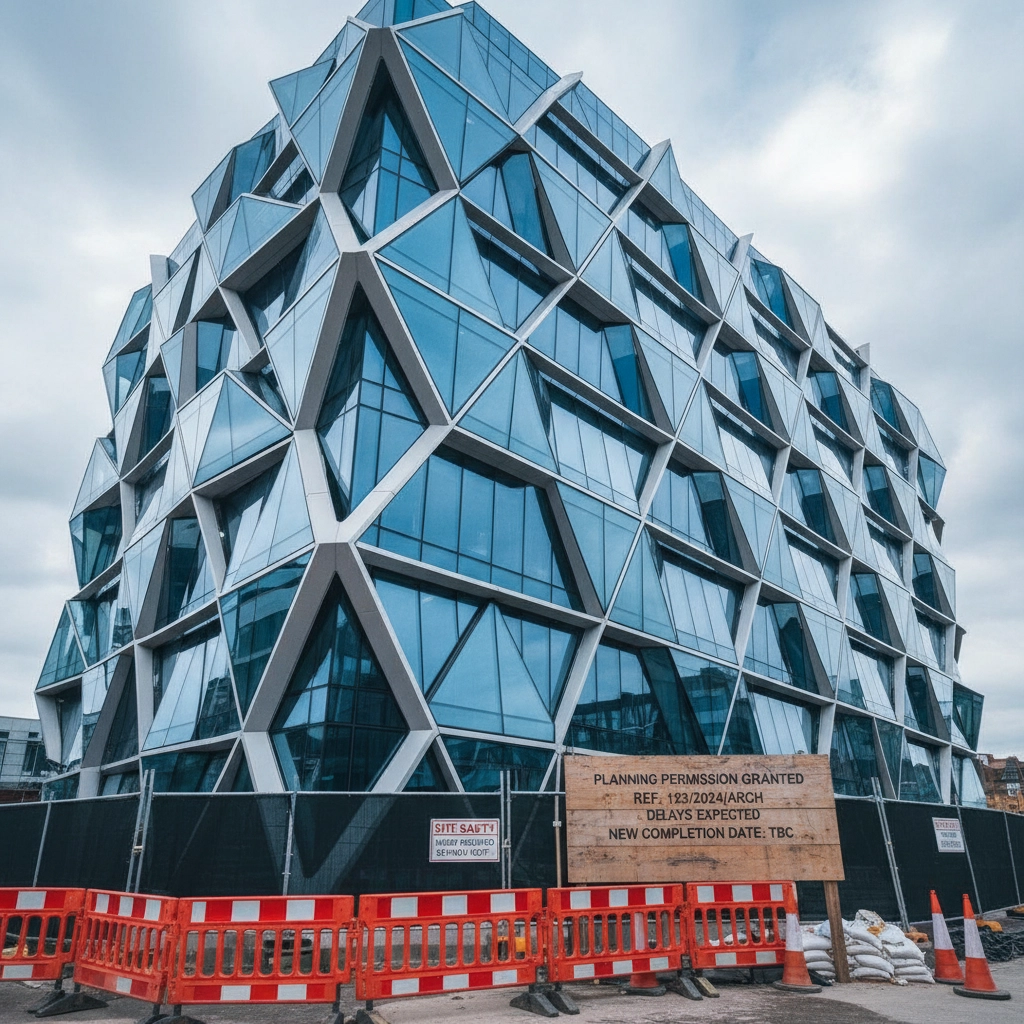
While the government's Planning and Infrastructure Bill makes progress with streamlined environmental assessments and stricter approval deadlines, the fundamental bottleneck remains. The Office for Budget Responsibility estimates current planning reforms will deliver only a modest 0.4% GDP impact over a decade.
What This Means for Commercial Development ⚠️
- Extended project timelines for new facilities
- Increased development costs from regulatory delays
- Limited infrastructure upgrade approvals affecting building connectivity
- Reduced investment appetite from institutional funders
The planning system's sluggish pace means commercial buildings designed today may be approved for construction when their technology is already outdated.
📉 Construction Sector: Under Unprecedented Pressure
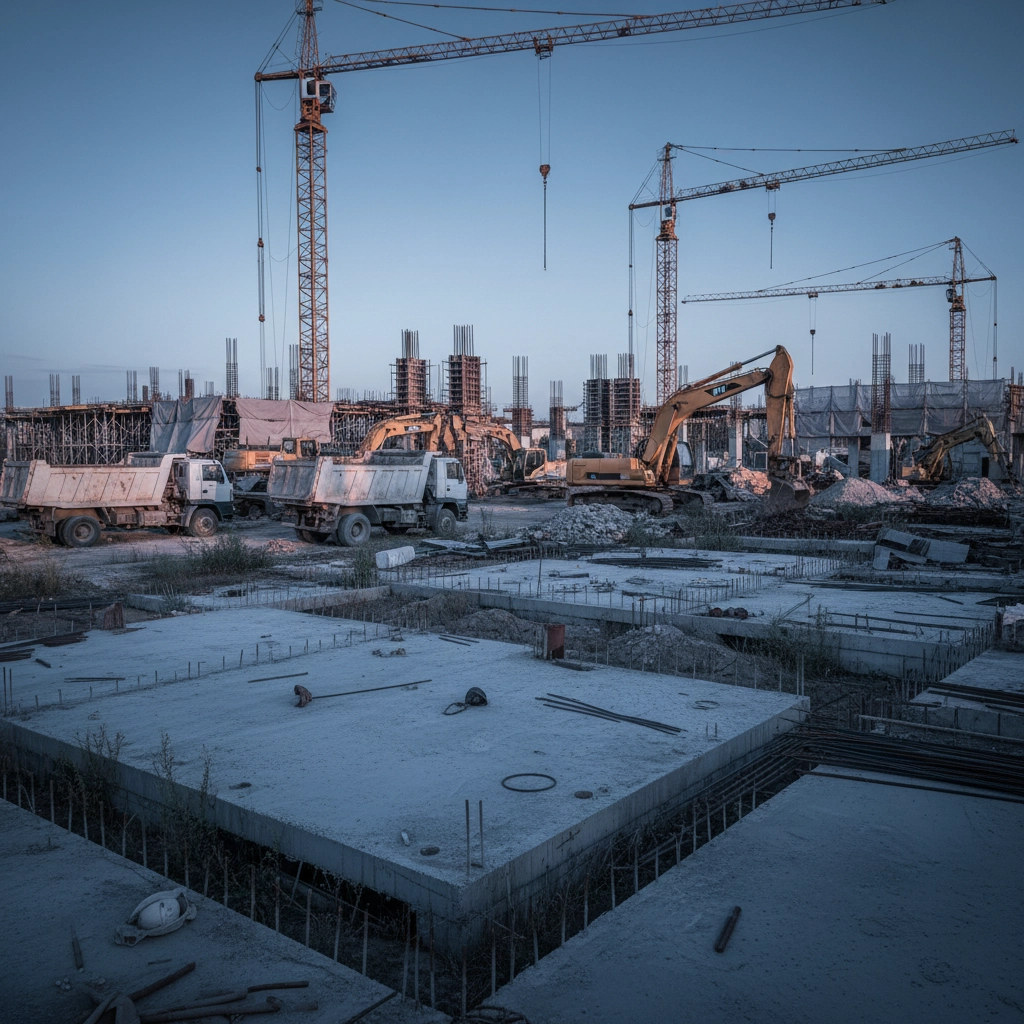
Recent data shows construction output has plummeted to levels not seen since May 2020, with activity suppressed by budget uncertainty and delayed spending decisions. This creates a perfect storm for commercial building owners:
The Capacity Crisis ✔️
The construction sector currently lacks:
- Sufficient skilled labour for simultaneous infrastructure renewal
- Manufacturing surge capacity for crisis-level rebuilding
- Modern construction method adoption that could improve efficiency
- Supply chain resilience for consistent material availability
When infrastructure failures occur, the construction industry simply cannot respond at scale quickly enough to prevent extended business disruptions.
🏢 Direct Implications for Your Commercial Building
Understanding these broader infrastructure challenges helps you prepare for the operational reality your commercial property will face:
Operational Reliability Risks 📊
Your building's performance increasingly depends on aging infrastructure systems beyond your control:
- Power grid instabilities affecting HVAC and lighting systems
- Water supply disruptions impacting facilities and operations
- Transportation access limitations affecting employee attendance and deliveries
- Digital connectivity failures disrupting modern business operations
Business Continuity Planning ✔️
Smart commercial building operators are now implementing:
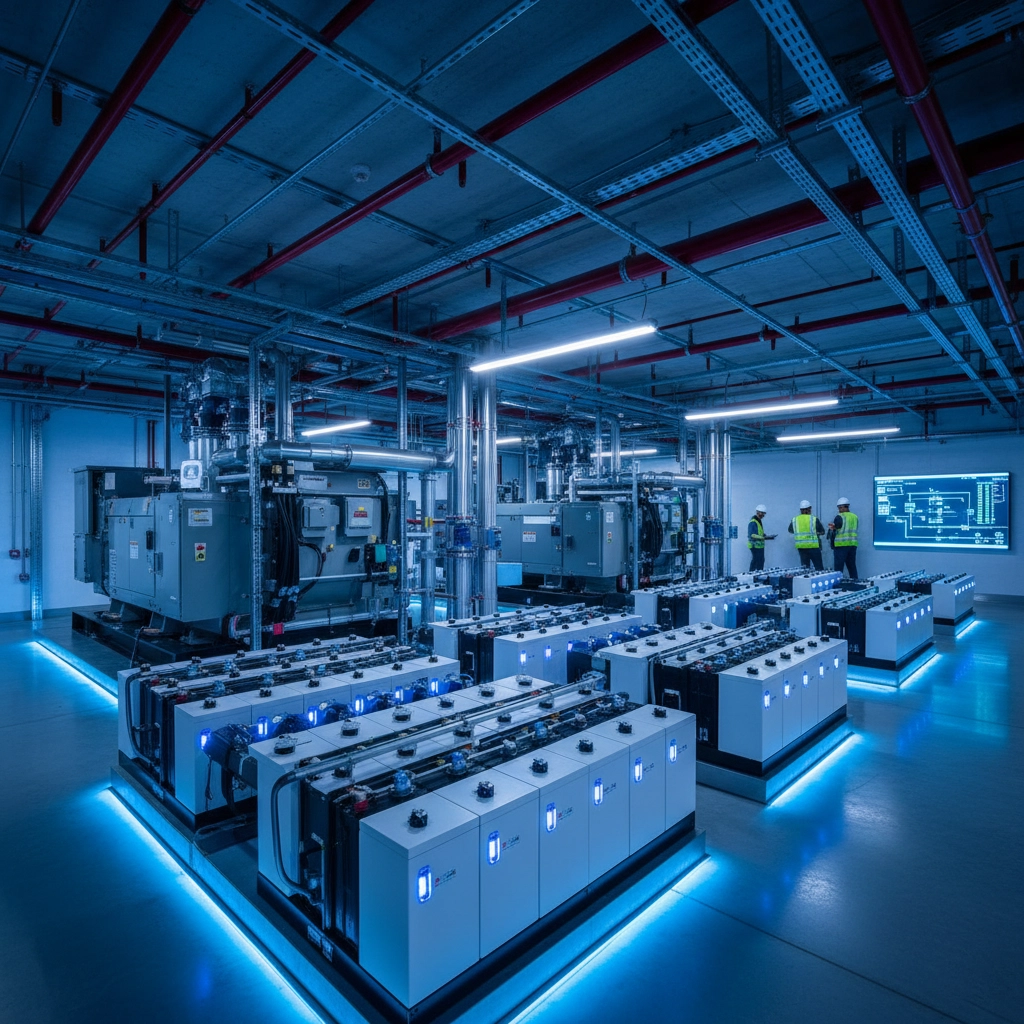
- Redundant power systems including backup generators and battery storage
- Water storage capabilities for extended supply interruptions
- Flexible work arrangements accounting for transport disruptions
- Enhanced building envelope performance reducing utility dependencies
💡 What Industry Leaders Say Must Happen Now
The construction and facilities management sectors are calling for immediate action on multiple fronts:
Infrastructure Resilience Priorities
Energy grid modernisation with distributed renewable generation and storage capabilities represents the most critical upgrade needed. Commercial buildings that integrate these technologies now will have significant competitive advantages when grid failures occur.
Transport network redundancy through improved rail, road, and digital connectivity options ensures your business operations can continue even when primary routes fail.
Planning System Reform ⚡
Industry experts emphasise that planning delays cost the economy billions annually in delayed projects and reduced investment confidence. Commercial developers need:
- Streamlined approval processes for infrastructure-supportive developments
- Clear timelines for planning decisions with enforceable deadlines
- Simplified environmental assessments that don't compromise standards but reduce bureaucracy
🎯 Taking Action: What You Can Do Today
While waiting for government infrastructure investment to materialise, proactive commercial building owners are taking control of their operational resilience:
Immediate Steps ✔️
- Conduct infrastructure vulnerability assessments for your building's critical systems
- Upgrade building envelope performance to reduce utility dependencies
- Install backup power and water storage systems sized for extended outages
- Develop business continuity plans accounting for transport and utility disruptions
Long-term Resilience Strategy
Consider infrastructure-independent solutions where possible:
- On-site renewable energy generation with battery storage
- Rainwater harvesting systems for non-potable uses
- Advanced building management systems optimising resource use
- Flexible space design accommodating changing operational needs
🔍 The Road Ahead
The UK's infrastructure crisis represents both significant challenges and opportunities for commercial building owners. Those who recognise the severity of our infrastructure vulnerabilities and take proactive steps now will maintain operational advantages while competitors struggle with system failures.
The government's £725 billion infrastructure commitment signals recognition of the problem's scale, but implementation will take years. Your business cannot afford to wait for these upgrades to reach completion.
Smart commercial building investment today focuses on infrastructure independence and resilience: ensuring your operations continue regardless of broader system failures. The buildings that thrive in the next decade will be those that prepare for infrastructure unreliability rather than assuming continued system stability.
At Total Cladding and Roofing Ltd, we're seeing increased demand for building envelope upgrades that reduce infrastructure dependencies while improving operational efficiency. Commercial roof replacement projects now routinely include renewable energy integration and enhanced insulation systems that provide infrastructure resilience alongside performance improvements.
The infrastructure crisis is real, accelerating, and directly affecting your commercial building operations. The question isn't whether you'll need to adapt: it's whether you'll prepare proactively or react to failures after they occur.
To upload drawings, specs and plans please go to the form on our contact page.
Get in Touch